
Dunkirk
Dunkerque (in French Dunkerque, pronounced dɛ̃kɛʁk), also known as Dunkerque in Spanish and in Dutch as Duinkerke , is a port city in northern France, located in the North department, in the Haute-France region. The evacuation of Operation Dinamo took place, during World War II from the city's beaches.
Located 10 km from the border with Belgium, the city belongs to French Flanders, with a Flemish dialect.
The population of the city, according to the 2019 census was 86,279 inhabitants, although the entire metropolitan area has 257,269 inhabitants. It is the fifth city in the region after Lille, Amiens and two cities on the outskirts of Lille: Roubaix and Tourcoing.
Dunkirk is the third largest port in France after Marseille and Le Havre. It is an important industrial city and one of the main energy platforms in the country. The Gravelines nuclear power plant, the largest in Western Europe with six reactors and second in Europe after the Zaporizhia nuclear power plant in Ukraine, is located about 20 kilometers from the center.
The city is an important place for national and regional tourism as it is well known in the country for its great carnival that takes place every year between January and March, for its sandy beach in the Malo-les neighborhood -Bains which attracts many people in summer, its historical heritage and local gastronomy. Since September 1, 2018, public transport is free, making Dunkirk the largest metropolitan area in Europe to have a free network for all (residents and visitors).
Origin of name
The name means "church on the dune" and comes from the words duin (dune) and kerk (church) in Dutch, the original language of the region (the local dialect being West Flemish), still spoken by few people.
Geography
Dunkirk is located along the North Sea, 10 km from the Belgian border. It is the most northerly of the large cities in France (that is, the one that is furthest north). It is 35 km from Calais, 70 km from Lille and less than 300 km from five European capitals (Paris, Brussels, Amsterdam, Luxembourg and London).
The city is characterized by its flatness: the highest point is only 17 meters above the sea and the average height is 4 meters.
Neighborhoods
The different neighborhoods are: Dunkerque-centre, Dunkirk-South, Malo-Les-Bains (closest to the sea), Rosendaël, Petite-Synthe and the old cities of Fort-Mardyck, Mardyck and Saint-Pol-Sur -Mer that were added to the city in recent decades.
![Barrios de Dunkerque - Dunkerque centre (Azul), Dunkerque Sud (morado), Malo-Les-Bains (rojo), Rosendaël (verde), Petite-Synthe (amarillo), Fort-Mardyck (verde claro), Saint-Pol-Sur-Mer (marrón), el puerto (negro)]]](https://upload.wikimedia.org/wikipedia/commons/thumb/5/59/Gddunkerque.svg/120px-Gddunkerque.svg.png)
Dunkerque districts - Dunkerque centre (Azul), Dunkerque Sud (morado), Malo-Les-Bains (red), Rosendaël (green), Petite-Synthe (yellow), Fort-Mardyck (light green), Saint-Pol-South-Mer (brown), port (black)]
![Barrios de Dunkerque - Dunkerque centre (Azul), Dunkerque Sud (morado), Malo-Les-Bains (rojo), Rosendaël (verde), Petite-Synthe (amarillo), Fort-Mardyck (verde claro), Saint-Pol-Sur-Mer (marrón), el puerto (negro)]]](https://en.wikipedia.org/wiki/Archivo:Gddunkerque.svg)
History

The city was a possession of the County of Flanders From the end of the 15th century, Dunkirk was included in the Habsburg Netherlands and later in the Spanish Netherlands. It was disputed on different occasions between the crowns of England, the Netherlands and France. During the Flanders War (1568-1648) it served as the base of operations for the Dunkirk corsairs. It was occupied by the French in 1646 and recovered by Spanish troops in 1652.
During the Anglo-Spanish War and the Franco-Spanish War, the city was besieged in 1658 by the allied English and French forces under the command of Turenne. After the death of the city's governor, Willem Bette, Marquis of Leyde, the Spanish tercios surrendered the city on June 24, which came under English control as agreed by England and France in the Treaty of Paris the previous year.
On October 17, 1662, it passed definitively under French sovereignty, when Charles II of England sold it to France for five million pounds, although the payment was never completed. During the reign of Louis XIV it served as the basis for a large number of privateers, the most famous of which was Jan Bart, known for attacking Dutch shipping. The construction of the defensive systems of the city was entrusted to the military engineer Vauban. The destruction of its fortresses and the port was one of the conditions of the Treaty of Utrecht, which in 1713 meant the departure of Great Britain from the War of the Spanish Succession.
Already bombed during the First World War, the city suffered especially during the Second. In 1940 it was the scene of the evacuation to Great Britain of more than 330,000 French and British soldiers, the latter belonging to the British Expeditionary Force, before the German advance, in what was known as Operation Dynamo.
On December 14, 2002, the Tricolor, a Norwegian car-shipping ship, collided with the Kariba (registered in the Bahamas) and sank, which represented an immense danger for navigation in the English Channel. The following night the Nicola, a German ship, touched the wreck and had to be towed free. The Turkish flagged ship Vicky ran aground on January 1, 2003 with the wreckage of the Tricolor , but she was able to leave when the tide rose.
Demographics
| 1793 | 1800 | 1806 | 1821 | 1831 | 1836 | 1846 | 1851 | 1856 | 1861 | 1866 | 1872 | 1876 | 1881 | 1886 | 1891 | 1896 | 1901 | 1906 | 1911 | 1921 | 1926 | 1931 | 1936 | 1946 | 1954 | 1962 | 1968 | 1975 | 1982 | 1990 | 1999 | 2006 | 2007 | 2009 | 2011 | 2016 | 2019 | ||||||||||||||||||||||||||||||||||||||||||||||||||||||||||||||||||||||||||||||||||||||||||||||||||||||||||||||||||||||||||||||||||||||||||||||||||||||||||||||||||||||||||||||||||||||||||||||||||||||||||||||||||||||||||||||||||||||||||||||||||||||||||||||||||||||||||||||||||||||||||||||||||||||||||||||||||||||||||||||||||||||||||||||||||||||||||||||||||||||||||
|---|---|---|---|---|---|---|---|---|---|---|---|---|---|---|---|---|---|---|---|---|---|---|---|---|---|---|---|---|---|---|---|---|---|---|---|---|---|---|---|---|---|---|---|---|---|---|---|---|---|---|---|---|---|---|---|---|---|---|---|---|---|---|---|---|---|---|---|---|---|---|---|---|---|---|---|---|---|---|---|---|---|---|---|---|---|---|---|---|---|---|---|---|---|---|---|---|---|---|---|---|---|---|---|---|---|---|---|---|---|---|---|---|---|---|---|---|---|---|---|---|---|---|---|---|---|---|---|---|---|---|---|---|---|---|---|---|---|---|---|---|---|---|---|---|---|---|---|---|---|---|---|---|---|---|---|---|---|---|---|---|---|---|---|---|---|---|---|---|---|---|---|---|---|---|---|---|---|---|---|---|---|---|---|---|---|---|---|---|---|---|---|---|---|---|---|---|---|---|---|---|---|---|---|---|---|---|---|---|---|---|---|---|---|---|---|---|---|---|---|---|---|---|---|---|---|---|---|---|---|---|---|---|---|---|---|---|---|---|---|---|---|---|---|---|---|---|---|---|---|---|---|---|---|---|---|---|---|---|---|---|---|---|---|---|---|---|---|---|---|---|---|---|---|---|---|---|---|---|---|---|---|---|---|---|---|---|---|---|---|---|---|---|---|---|---|---|---|---|---|---|---|---|---|---|---|---|---|---|---|---|---|---|---|---|---|---|---|---|---|---|---|---|---|---|---|---|---|---|---|---|---|---|---|---|---|---|---|---|---|---|---|---|---|---|---|---|---|---|---|---|---|---|---|---|---|---|---|---|---|---|---|---|---|---|---|---|---|---|---|---|---|---|---|---|---|---|---|---|---|---|---|---|---|---|---|---|---|---|---|---|---|---|---|---|---|---|---|---|---|
| 26 255 | 21 158 | 24 175 | 23 012 | 27 047 | 23 808 | 27 355 | 29 080 | 29 738 | 32 113 | 33 083 | 34 350 | 35 071 | 37 328 | 38 025 | 39 498 | 39 718 | 38 925 | 38 287 | 38 891 | 34 748 | 32 945 | 31 763 | 31 017 | 10 575 | 21 136 | 27 616 | 27 504 | 73 800 | 73 120 | 70 331 | 70 850 | 69 500 | 68 219 | 92 923 | 91 386 | 88 108 | 86 279 | ||||||||||||||||||||||||||||||||||||||||||||||||||||||||||||||||||||||||||||||||||||||||||||||||||||||||||||||||||||||||||||||||||||||||||||||||||||||||||||||||||||||||||||||||||||||||||||||||||||||||||||||||||||||||||||||||||||||||||||||||||||||||||||||||||||||||||||||||||||||||||||||||||||||||||||||||||||||||||||||||||||||||||||||||||||||||||||||||||||||||||
| For censuses from 1962 to 1999 the legal population corresponds to the population without duplicities (Source: INSEE [Consult]) | |||||||||||||||||||||||||||||||||||||||||||||||||||||||||||||||||||||||||||||||||||||||||||||||||||||||||||||||||||||||||||||||||||||||||||||||||||||||||||||||||||||||||||||||||||||||||||||||||||||||||||||||||||||||||||||||||||||||||||||||||||||||||||||||||||||||||||||||||||||||||||||||||||||||||||||||||||||||||||||||||||||||||||||||||||||||||||||||||||||||||||||||||||||||||||||||||||||||||||||||
Dunkerque is the center of the "Dunkerque Grand Littoral" which has 17 municipalities and 195,917 inhabitants in 2018. In addition, the urban area that extends to the neighboring department of Pas-De-Calais (4 municipalities) has 56 municipalities with a total of 265,974 inhabitants.
Economy
Industry and commerce
The local economy enjoys Dunkirk's geographical position. The industrial and commercial port, located on the second densest seaway in the world, is the third most important in France after Le Havre and Marseille in terms of traffic. The metallurgical (Arcelor Mittal and Alcan), food, petrochemical (Total and BP), construction materials (Holcim) and pharmaceutical (AstraZeneca and Minakem) industries are equally important. It is a major energy pole for France, due to the presence of the largest French and Western European nuclear power plant in Gravelines with six reactors, the second in all of Europe after the Ukrainian Zaporizhia nuclear power plant, the oil refineries of French companies Total and British BP, the presence of wind energy with five wind turbines (the upcoming construction of wind turbines in the North Sea off Dunkirk is pending) and it should be noted that a third of national gas consumption passes through the regasification terminals in the polygon industrial. Lately, the arrival of a plant for the construction of electric batteries for the French automobile industry by Verkor has been announced.
Tourism
Dunkerque is a notable tourism center in the region and the country for its Carnival and its beach.
Transportation
Dunkirque is also an important communication hub, both by road with motorways to Belgium (Antwerp and Brussels), the Netherlands, Pas-de-Calais (Calais and Boulogne-Sur-Mer) and Paris and by rail with links by TGV (High Speed Train) with Lille and Paris (as well as regional trains (TER commuter trains), and by ferry with Ramsgate and Dover, in Great Britain and Roscoff in Ireland. Moreover, it is possible to access England by train thanks to the channel tunnel in Calais or at the Calais-Frethun station where the Eurostar stops for London The nearest airport is Lille-Lesquin for national and European connections Brussels airport for international connections It is 164km away and the Paris-Charles de Gaulle airport is 257km away.
Culture and education
Natural spaces
Dunkirk has several parks that are very popular with the inhabitants, among which the parc de la Marine (Marine park) in the center near the marina, the parc du château Coquelle (Coquelle castle park) in the Rosendaël district, the parc de Malo (Malo park) in Malo-les-Bains, the parc du fort de Petite-Synthe (Petite-Synthe fort park in the neighborhood of the same name), the jardin des sculptures (the sculpture garden surrounds the LAAC museum (Dunkirk Place of Contemporary Art and Action)) and the parc du vent (wind park) in the dunes near the beach.
The dike facing the north sea with several restaurants and bars and the surroundings of the ponds of la Citadelle in the center, where you can admire an old sailing ship le Duchesse Anne in front of the port museum or the steamboat Princess Elisabeth, are places for a walk.

Coquelle Castle Park
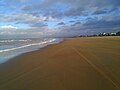
Dunkirk Beach in Malo-Les-Bains

Entrance of Malo Municipal Park

Wind park

.jpg)


Heritage and monuments
- The Leughenaer Tower
- The Notre-Dame-des-Dunes chapel
- The Church Saint-Eloi
- The Beffroi
- City Hall
- the statue of Jean-Bart And the homonymous square
- the tower of the shipowner
- The old sailboat Duchesse Anne
- The steamship Princess Elisabeth (currently a restaurant)
- The headquarters of the community of "Dunkerque Grand Littoral"
- The lighthouse of the Risban
- The ancient baths of Dunkirk
- The old sugar market ("La halle aux sucres")
- The neighborhood of Malo-les-Bains with its mansions "Les Malouines"
- The fire of Saint-Pol
- The "Grand Large" walkway
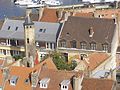
Tower of the shipowner
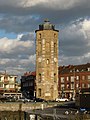
Leughenaer Tower

Notre-Dame-des-Dunes

Dunkirk Beffroi
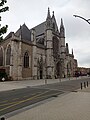
Saint-Eloi Church

Dunkirk City Council
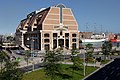
Headquarters of the community

Square and statue of Jean Bart

"Grand Large" walkway

Lighthouse of the Risban

The old bathrooms

The sailboat Duchesse Anne

steamboat Princess Elisabeth

Old sugar market


Museums and cultural teams
- Dunkirk Theatre, national scene called "le bateau feu"
- The municipal library, the "B!B"
- "Les 4 écluses", a well-known place for young people for alternative music
- The "Kursaal", convention center of 15 000 m2 in which dances of the carnival are organized particularly
- A cinema with 20 "Ocine" rooms, one of the most important in the area
- The Dunkirk Museum of Fine Arts. Closed since 2015 overlooking a refurbishment of the city's cultural offer. Meanwhile, the collections of the museum are enhanced in association with cultural institutions in the region.
- The "LAAC", Place of Contemporary Art and Action of Dunkerque
- The regional collection of contemporary art ("FRAC" in French)
- The harbour museum about the history of the port
- The Dunkirk Museum 1940 on the Dynamo operation

Municipal Library

Theatre "le bateau feu"

Convention Centre

Cinema "Ocine"

LAAC

Regional Contemporary Art Collection (FRAC)

Port museum


.jpg)

Carnival
The Dunkirk carnival is the main event that takes place every year in the city. It is a set of festivities (parades and dances) that go from the beginning of January to the end of March (and sometimes even until the beginning of April) in the city and the surrounding towns. During the (free) parades the "carnavaleux" (that is, the name given to those who parade in disguise) they go behind an orchestra through the streets of the city, at the end of the main parade the mayor throws herrings from the balcony of the town hall to the crowd (fruit of the fishing tradition Township). During the dances (for a fee) the "carnavaleux" They celebrate together in municipal halls to the sound of typical carnival music and more recent music.
The origin of the carnival dates back to the year 1676 when masked people walked through the city. In the late 17th and 18th centuries, shipowners gave banquets for sailors who went fishing in Iceland risking their lives. These festivities were the beginning of the parade of the fishermen ("Visschersbende" in Flemish) which was a different event from carnival until one year when the two events took place on the same day. Then the carnival as it is known today was born by wearing masks and costumes at the same time.


Gastronomy
The local gastronomy draws its influences mainly from Flemish cuisine. The traditional dishes are:
- The "potjevleesch": a pork, rabbit, chicken and calf
- The charade flamenca
- Moules-frites: mussels with fries
- The "Welsh" of Welsh origin: a slice of bread with Cheddar wrapped ham melted in beer
- Local drink is beer.
Dialect and language
In the Dunkirk region, a dialect is spoken, "dunkerquois," very different from Ch'ti (a dialect spoken in northern France). It is a mixture of French and Flemish widely used both in the private sphere and in the public space, especially during carnival.
Although Dunkerque is part of the historical region of Flanders, Flemish speakers are dwindling and the city does not enjoy its proximity to Flanders in Belgium as most people there speak French.
Education
The city depends on the academic region of Lille. It is the headquarters of the University of the Littoral-Côte d'Opale which has extensions in Calais, Boulogne-Sur-Mer and Saint-Omer (these three cities are in the neighboring Pas de Calais department) and has around 5000 students. It also houses the Superior School of Art of the North-Pas De Calais.
Sports
The city is home to the USL Dunkerque soccer club, which plays in Ligue 2, the second tier of national soccer. Their stadium is the Stade Marcel-Tribut.
Sports Equipment
According to the ministry of sport, there are more than 200 sports teams in the city as of 2013 including a newly remodeled municipal stadium ("le stade tribute"), five municipal swimming pools (of which one Olympic), a national soccer center, a regional sailing center, a sailing base, various gyms and soccer fields, multi-sports halls (the Flanders stadium for example) and an indoor skating rink.
Contenido relacionado
Air General
Chillida-Leku
Little boy