
Alternative medicine

.jpg)
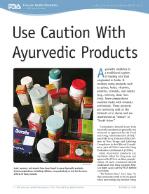
Alternative medicine is any practice that claims to have the healing effects of medicine, but is not supported by evidence obtained through the scientific method and appeals to pseudoscience, so its effectiveness is not it has been proven beyond the occasional placebo effect. These types of treatments lack biological plausibility, have no supporting evidence, have arguments that are unprovable, or have been shown to be ineffective. Alternative medicine consists of a wide range of practices, products and "therapies". This designation includes new and traditional pseudo-medical practices such as homeopathy, naturopathy, chiropractic, energy healing, ozone therapy, dowsing, acupuncture, traditional Chinese medicine, Ayurvedic medicine, faith healing, along with other treatments that are not part of scientific medicine.
Complementary medicine is alternative medicine used alongside fact-based medicine under the belief, not proven by scientific methods, that it "complements" treatment. MAC (or CAM) is the abbreviation for complementary and alternative medicine. Integrative medicine is the combination of practices and methods of alternative medicine with scientific medicine.
Much of the perceived effect of an alternative practice arises from the belief that it will be effective (the placebo effect), or that the condition being treated will resolve itself (the natural course of the disease). This is further compounded by the tendency to turn to alternative therapies when medicine fails, at which point the condition is at its worst and most likely to improve on its own. In the absence of this bias, especially in the case of conditions that are not expected to improve on their own, such as cancer or HIV infection, multiple studies have shown significantly worse outcomes if patients turn to alternative therapies. Although this may be because these patients avoid effective treatment, some alternative therapies are actively harmful or actively interfere with effective treatments.
Although the popular idea is that these techniques are safer than those of conventional medicine, their use represents various health risks, such as the ingestion of substances that can cause unwanted effects, interactions and even toxicity. Some manipulations on the body can cause injuries, for example, kidney and liver damage caused by products sold as natural nutritionals. In addition, using ineffective therapies can cause a delay in starting adequate treatment or its abandonment. An example is the anti-vaccine movements, which in December 2014 caused the start of a virulent outbreak of measles in Disneyland (United States) and the death of a child with diphtheria in Catalonia (Spain) in June 2015.
Alternative medicine diagnoses and treatments are not usually included in medical school degrees or used in medical practice, since instead treatments are used whose efficacy and safety have been scientifically proven. Alternative therapies lack scientific validity and their claims have not been proven or have been proven wrong. Alternative medicine is usually based on religion, tradition, superstition, belief in supernatural energies, pseudoscience, reasoning errors, propaganda, or fraud. Regulation and licensing of alternative medicine and its practitioners vary from country to country and state to state. There is no global regulation in any Western country, although some have regulated partial aspects. Currently, very different types of people work in the field of alternative therapies, with different levels of training, of which a significant number are not doctors, nor do they have any type of official degree in health sciences.
The scientific community has criticized alternative medicine for being based on misleading claims, quackery, pseudoscience, anti-science, fraud, or faulty scientific methodology. It has been warned that promoting alternative medicine is dangerous and unethical. Experimentation, when it occurs, in alternative medicine is considered a waste of the resources devoted to medical research. The terminology used has even been criticized, since "there really is no such thing as alternative medicine, there is only medicine that works and medicine that doesnt" or "Can there be any 'alternative' reasonable [to fact-based medicine]?" A review of its literature reveals that it is replete with pseudoscientific, ineffective, unethical and potentially dangerous practices, some of which are contradictory to each other, without any real basis and even contradict current scientific knowledge.
[...] "Alternative medicine" is a misleading term to create the illusion that a discredited or unchecked treatment is really an alternative to another established by scientific medicine. By adding "complementary medicine" to their repertoire of misleading terms, medical fraud providers have improved the illusion that their remedies somehow enhance or improve the effects of fact-based medical treatments.Entry The Skeptic's Dictionary
It's time for the scientific community to stop flying to alternative medicine. There can be no two types of medicines: conventional and alternative. There is only medicine that has been properly tested and not, the medicine that works and which can or may not work. Once the treatment has been thoroughly tested, it no longer matters if it was considered an alternative at the beginning. If it is found to be reasonably safe and effective, be accepted. But assertions, speculations and testimonies do not replace the facts. Alternative treatments should be subject to scientific tests not less rigorous than the one required for conventional treatments.M. Angell, et al.
Definition and types
The expression alternative medicine does not have a single, universally accepted definition, due to the large number of practices it encompasses and the imprecise limits. The great heterogeneity of its techniques makes it difficult to define its scope and its exhaustive enumeration is not easy. Added to this confusion is the fact that in some areas it is called "alternative" to traditional medicine.
These practices include, among others, acupuncture, chiropractic, ozone therapy, massage or homeopathy. When used alone they are often called 'alternatives'. When used in conjunction with conventional medicine, they are often called 'complementary'. The list of what is considered complementary and alternative medicine changes continuously, since once a certain therapy is proven to be effective and innocuous, it must be incorporated into conventional health treatment, ceasing to be an alternative, just as when new approaches emerge. new to healthcare. Since the 1990s, the evaluation of these treatment modalities with objective or scientific methods has been promoted, with extremely poor results.
Alternative therapies are based on considering the person as a whole (holistic approach), in continuous interaction and change with the environment, integrating physical, genetic, mental, emotional, spiritual, environmental and social aspects. However, currently in conventional health care the biopsychosocial approach is also key.
Since the 1990s, there has been a resurgence in its use in many developed and developing countries.
The available scientific evidence and observations on its efficacy are very scant. However, this lack of demonstration of its effectiveness is not always synonymous with ineffectiveness. Many patients report some perception of improvement in symptoms, their well-being or their quality of life, although there are generally no studies available to determine whether this improvement is due to treatment or a placebo effect.
Other procedures are based on mystical arguments, both from Eastern and Western religions. Diagnoses or treatments that would be classified as malpractice and sanctioned in many countries if they were carried out by a doctor, in other places go unnoticed when applied by an unqualified practitioner.
Other terms
Holistic medicine is another rebrand of alternative medicine. In this case, the words balance and holism are often used in conjunction with complementary or integrative, meant to mean a "whole" person, in contrast to the supposed reductionism of medicine.
Differences between conventional, complementary, alternative and integrative medicine
- La Conventional medical care is practiced by those who have a Bachelor's Degree or Doctor in Medicine and Surgery. It is also practiced by other medical professionals such as physiotherapists, medical assistants, psychologists and nurses. Conventional medicine is also called alopathic, western, orthodox, regular and biomedicine medicine. Some practitioners of conventional medicine also practice complementary and alternative medicine.
- La complementary medicine is used in conjunction with conventional medicine. An example of complementary therapy is the use of acupuncture to mitigate the side effects of cancer treatment.
- La alternative medicine is used instead of conventional medicine. An example of alternative therapy is the use of a special diet for cancer treatment rather than surgery, radiation or chemotherapy recommended by a conventional doctor.
- La integrating medicineaccording to the definition of NCCAM, it combines formal medical therapies and complementary and alternative medicine therapies for which high quality scientific evidence exists, in very specific cases, on their safety and effectiveness.
Alternative medicine practitioners often refer to conventional medicine with sometimes derogatory terms including:
- alopathic medicine (name created by homeopaths);
- formal medicine;
- Western medicine;
- ordinary medicine;
- Orthodox medicine.
Main types of complementary and alternative, traditional and integrative medicine
The National Center for Complementary and Alternative Medicine (NCCAM) in the United States classifies complementary and alternative medicine therapies into five categories or domains:
- Alternative medical systems
- Focus on Mind and Body
- Biological Therapies
- Handling and body-based methods
- Therapies based on "energy"
Alternative Medical Systems
Alternative medical systems are built around entire systems of theory and practice. Often these systems have evolved separately from the conventional medical approach. Examples of Western alternative medical systems are naturopathy and naturopathic medicine. To a lesser extent, given its pseudoscientific nature, one could also cite homeopathy.
Homeopathy seeks to stimulate the body's ability to heal itself, through the use of very small doses of highly diluted substances. Naturopathic medicine bases its therapy on supporting the spontaneous tendency towards healing and hygiene, through a healthy lifestyle. Naturopathy aims to stimulate the body's self-healing capacity, through changes in nutrition and lifestyle.
Examples of systems that have been formulated in non-Western cultures include traditional Chinese medicine and one of its techniques, acupuncture, which stimulates anatomical points on the body. Another example is Ayurveda, originated in India, whose objective is to integrate body, mind and spirit to prevent and treat diseases.
Focus on mind and body
Mind-body medicine uses a variety of techniques designed to enhance the mind's ability to affect bodily function and symptoms. Some techniques that were previously considered complementary and alternative medicine have been formalized (for example, patient support groups and cognitive behavioral therapy). Other techniques for the mind and body are still considered complementary and alternative medicine, including meditation, prayer, mental healing, and therapies that employ creative solutions such as art (art therapy), music (music therapy), or dance.
Other practices that can be included in this group are yoga, kinesiology, hypnotherapy and sophronization.
Biological therapies
Biological practices use substances present in nature, used for their flavor, aroma or possible therapeutic properties, such as herbs, leaves, flowers, tree barks, seeds, fruits, stems and roots, food and vitamins. They include phytotherapy, alternative nutritional therapy and treatments with nutritional supplements and vitamins. Some of these techniques include the use of dietary supplements, herbal products, and other so-called "natural" products, most of which are scientifically unproven (for example, the use of shark cartilage in cancer treatment).
Some uses of dietary supplements are part of conventional medicine. For example, scientists have found that folic acid prevents certain birth defects in the fetus during pregnancy, and a regimen of vitamins and zinc can slow the progression of an eye disease called age-related macular degeneration.[citation needed]
Nutrition and dietetics, as taught in universities, is practiced by qualified and competent professionals, and is part of conventional medicine. However, various techniques and protocols that are not within the scientific proof, such as the alkaline diet or the diet to cure cancer, belong to the field of alternative therapies.
Body-Based and Manipulative Methods
These practices are based on the theory that all body systems work together in an integrated way, so disturbances in one system can affect the functioning of other parts of the body.
Body-based and manipulative (manipulative or manipulative therapies) methods in complementary and alternative medicine emphasize the manipulation or movement of one or more parts of the body. Some examples include chiropractic, osteopathy and massage, although it should be noted that many of the therapies that are included in these 3 terms are also common practice and disciplines within the competence of a health, scientific, regulated and conventional profession such as physiotherapy as well as manual medicine. or osteopathic (carried out by D.O. doctors), so it is necessary to clearly differentiate whether these therapies are applied by a physiotherapist/doctor or by a layman, masseur, chiromassage therapist, fixer or healer: in the first case we would be talking about conventional or scientific medicine and in the others of alternative medicine.
Other practices that are included in this classification are lymphatic drainage, reflexology, shiatsu, sotai and aromatherapy.
Therapies based on “energy”
Therapies based on some kind of hypothetical "energy" are one of the five types of complementary and alternative medicine according to the NCCAM. This is one of the areas of complementary medicine that causes the most controversy, since its efficacy has not been demonstrated beyond the placebo effect. The NCCAM divides them into biofield therapies when the intervening energy is the body's own and bioelectromagnetic therapies when an external equipment or implement capable of producing energy is used, such as Tens or others that generate electrical, magnetic or electromagnetic impulses, among others.
So-called biofield therapies aim to affect the energy fields that are supposed to surround and penetrate the human body (the existence of which has not been scientifically proven) by applying pressure or placing hands in or through these fields. Among them are Qi-Gong (or Chi-kung); reiki, whose objective is to heal the spirit and, as a consequence, the body; floral therapy, through the energetic intervention of the essences; and the "therapeutic touch" whereby practitioners pass their hands over a person to use their own perceived healing energy to identify energy imbalances and promote health.
Bioelectromagnetic therapies, also called biomagnetic or magnetic field therapies, are based on the unconventional use of electromagnetic fields, which are invisible lines of force that surround all electrical devices, such as electromagnetic devices, magnets, etc.
Examples of therapies based on "energy" are reiki, flower therapy, biomagnetic therapy or magnetic fields.
Regulation of alternative medicines
Different jurisdictions differ about which branches of this alternative practice are legal, which are regulated, and which (if any) are provided by the government health service or funded by the state.
A number of supporters of alternative medicine do not agree with the restrictions of government agencies that regulate medical treatments ―such as the US FDA (Food and Drug Administration: Food and Drug Administration)― and the adherence to these to experimental evaluation methods. They claim that this prevents those who seek to give useful and effective treatments and proposals to the public, and denounce that their contributions and discoveries are unfairly dismissed, ignored or suppressed. Alternative medicine providers often argue that treatment fraud should be properly addressed when it occurs.
Contemporary use of alternative medicines
Edzard Ernst wrote in the Medical Journal of Australia that "close to half the population in developed countries use complementary and alternative medicine" (Ernst 2003), although one may question what that the respondents understood by «complementary and alternative medicine». A survey (Barnes et al. 2004) published in May 2004 by the American NCCAM concluded that in 2002 36% of Americans had used some form of "alternative therapy" in the previous 12 months, where it was included as such until the practice of yoga, meditation, herbal treatments and even the Atkins diet. If prayer was considered an alternative therapy, then the figure rose to 62.1%. Another study by Astin et al. (1998) suggests a similar figure of 40%. A British BBC telephone survey of 1,209 adults in 1998 showed that around 20% of British adults had used alternative medicine in the previous 12 months (Ernst & White 1999), again raising questions about what respondents understood by “alternative medicine”.
The use of alternative medicine appears to be on the rise. Eisenburg et al. carried out a study in 1998 which showed that the use of alternative medicine had risen from 33.8% in 1990 to 42.1% in 1997. In the UK, a 2000 report mandated by the House of Lords suggested that "available data appear to support the view that the use of complementary and alternative medicine in the UK is high and increasing", part which is explained by the growth of the non-European immigrant population that maintains the use of said techniques.
Characteristics of alternative therapy professionals
Although in semantic rigor the exercise of Medicine by people without a medical degree is considered quackery, according to the dictionary of the Royal Spanish Academy (RAE), currently very different types of people practice in the field of alternative therapies, with different levels of training.
There is no global regulation in any Western country. In some countries of the European Union, these techniques are applied mainly by doctors, while in others, mainly the Nordic countries, non-physicians are authorized to do so. In the United States, only licensed physicians are allowed; Failure to comply with this requirement constitutes a crime.
There is a significant number of professionals who, without being doctors, nor having any type of official degree in health sciences, their activity is aimed at preventing diseases or improving health, such as people who have undergone training in unofficial schools, sellers of herbs or products used for unconventional medicines (who usually go into giving therapeutic advice) and even people who attribute personal powers to themselves or who apply instrumental products or techniques (healers).
In general, training on alternative therapies is provided in all countries, but their degree of official status varies greatly: some have specialties for doctors or postgraduate programs at the University (Germany, Italy) and in others the training is carried out in institutes private or schools (Sweden, Canada). In others, such as Spain, no professional training degree or professional qualification has been developed in the professional family of Health, despite which universities, private centers, societies, etc. provide training for health and non-health professionals.
In 2013, Portugal regulated the professional practice of acupuncture, phytotherapy, homeopathy, traditional Chinese medicine, naturopathy, osteopathy and chiropractic.
In three separate investigations, surveying all 125 schools offering a medical degree, 19 schools offering an osteopathic degree, and 585 nursing schools in the United States, it was found that 60% of schools Of those offering a medical degree, 95% of those offering an osteopathic degree and 84.8% of nursing degrees also taught alternative medicine (Wetzel et al. 1998, Saxon et al. 2004, Fenton & Morris 2003).
In the UK, no medical schools offer courses that teach the clinical practice of alternative medicine. However, it is taught in several schools as part of the curriculum. This teaching is largely based on the theory and understanding of alternative medicine, with an emphasis on the ability to communicate with alternative medicine specialists. To gain aptitude in the clinical practice of alternative medicine, degrees must be obtained from private medical societies, where the student must have graduated and be a qualified physician. The British Medical Society for Acupuncture, which offers medical certificates in acupuncture to graduates, is one example.[citation needed]
Support for alternative medicine
Supporters of alternative medicine argue that alternative therapies often provide the public with services not available in conventional medicine. This argument covers several areas:[citation needed]
- active participation of the patient,
- alternative methods for pain management,
- therapeutic methods that support the biopsychosocial model of health,
- remedies for specific health concerns,
- stress reduction services,
- other preventive health services that are not typically part of conventional medicine,
- palliative care of complementary medicine, which are practiced by oncological centers such as the Sloan-Kettering Memorial (see Vickers 2004).
Effectiveness of alternative medicine
Supporters of alternative medicine maintain that various alternative methods are effective in treating a wide range of minor and serious ailments, arguing that recently published research papers (such as Michalsen 2003, Gonsalkorale 2003 and Berga 2003) demonstrate the efficacy of specific alternative treatments. They state that a PubMed search found nearly 370,000 research articles classified as alternative medicine published in Medline-recognized journals since 1966 in the National Library of Medicine database (such as Kleijnen 1991, Linde 1997, Michalsen 2003, Gonsalkorale 2003 and 2003).[citation required]
Supporters of alternative medicine argue that alternative medicine can provide health benefits through active patient participation, offering more options to the public, including treatments that are simply not available in conventional medicine.
Most Americans who consult alternative therapists would enthusiastically receive the possibility of consulting a well-trained doctor in traditional medicine who also has an open mindset and good knowledge of the innate healing mechanisms of the body, the influence of life habits on the health and appropriate uses of dietary supplements, herbs and other forms of treatment, from osteopathic manipulation to Chinese and Ayuric medicine. In other words, they want competent help to move through the confusing labyrinth of therapeutic options available today, especially in cases where conventional approaches are relatively ineffective or harmful.Weil Snyderman, 2002
While alternative medicine advocates acknowledge that the placebo effect may play a role in the benefit provided by alternative therapies, it should be noted that the placebo effect plays a role in conventional medicine as well. They therefore point out that this does not diminish its validity. Skeptics claim that this statement is an acknowledgment of the ineffectiveness of alternative treatments. An antibiotic or a vaccine is effective without the need for a placebo effect and can be administered without the patient's knowledge and without being administered by a healer. The so-called alternative medicine has nothing similar to offer.
Lower risk when used as a complement to conventional medicine
A major objection to alternative medicine is that it is practiced in place of conventional medical treatments. As long as alternative treatments are used in conjunction with conventional medical treatments, most clinicians find most complementary medicine acceptable (Vickers 2004). Consistent with previous studies, the US Centers for Disease Control (CDC) recently reported that the majority (54.9%) of Americans used alternative medicine in conjunction with conventional medicine.
Patients should, however, always inform their doctors that they are using alternative medicine. Some patients do not do it fearing that this will damage the relationship with their doctor. However, some alternative treatments may interfere with traditional treatments. An example is the combination of chemotherapy and taking high doses of vitamin C, which can seriously damage the kidneys.
The problem of interference between alternative and conventional medicine is minimized when only resorting to the first after exhausting all the possibilities of the second. Many patients believe that alternative medicine can help cope with chronic conditions for which conventional medicine offers no cure, only palliative care. It is becoming more common for the doctor himself to suggest alternatives to his patients when he cannot offer a treatment.
Scientific evidence
A positive aspect of many of these alternative therapies, regardless of the results found in objective studies, is the high degree of satisfaction expressed in general by their users, as well as the low level of risk that their usual form of use usually represents. However, there are risks of damage and adverse events, sometimes serious, depending on the product used or the technique or procedure itself (invasiveness), its inappropriate use, the lack of preparation of the therapists or the delay in seeing a professional doctor. to receive the appropriate conventional treatment.
The limited scientific evidence available on its effectiveness makes it necessary to be cautious when using alternative therapies.
Some of the therapies that have been studied the most for scientific proof are acupuncture, homeopathy, and physical and manual therapies.
Acupuncture
It is a widely used therapy to treat a wide range of pathologies, many of them associated with pain.
There is evidence to suggest that it is effective in controlling nausea and vomiting caused by chemotherapy and post-operatively, as well as in relieving dental pain after interventions. However, extensive systematic and exhaustive reviews have shown that have no effect.
Regarding the risks, the studies carried out show that it is a relatively safe treatment, whose adverse effects are minor and limited, such as pain, inflammation, bruising or bleeding at the injection site.
Homeopathy
This technique has begun to be evaluated with fact-based medicine criteria in recent years, so its scientific evaluation is in its infancy.
In general, the results of clinical trials are very contradictory and the conclusions of the reviews carried out are that homeopathy has not been definitively proven to be effective in any indication or specific clinical situation.
Regarding possible adverse effects, homeopathic medicines, in extremely high dilutions, are considered safe even if used without professional supervision.
Physical and manual therapies
There is currently very little scientific research on these techniques, so more research is needed.
However, it is considered that osteopathic spinal manipulation in patients with acute or chronic nonspecific low back pain may be beneficial. Manual therapy, including spinal manipulation, could be used in the early management of non-specific persistent back pain.
Regarding safety, the risk of osteopathic treatment appears to be low, although adverse effects have been documented as a consequence of spinal manipulation. See section: Health risks. Spinal manipulation.
Criticism of alternative medicine
Due to the wide range of therapies that are considered "alternative medicine," few criticisms apply to all of them together. The last serious scientific work in this regard that can be cited is Edzard Ernst's "A Scientist in Wonderland", A Scientist in Wonderland. A Memoir of Searching for Truth and Finding Trouble (2015), whose team from the Chair of Complementary Medicine at the University of Exeter has published more than 350 papers on this subject since 1993, suffering all kinds of pressure and censorship. Criticisms directed at specific alternative medicine therapies range from quite mild (conventional treatment is more effective in a particular area) to incompatibility with the laws of physics and chemistry (for example, in homeopathy).
Supporters of different forms of alternative medicine reject criticism as supposedly based on prejudice, economic interests or ignorance. Opponents of many forms of alternative medicine reject much of the "evidence" in favor as not meeting the conditions required by scientific medicine, and science in general, such as double-blind experiments, for example.
Ineffectiveness of alternative medicines
The ineffectiveness of some of these procedures has been repeatedly demonstrated by rigorous clinical trials, some going back over a century, and other times by 11-year-old students as science work.
The potential harm from applying these practices is always present, because of the delay caused by applying the conventional medicine that could really alleviate or cure the patient, which ―in the case of a progressive ailment― could even prove fatal in the medium or long term. This is a factor that is rarely taken into account by those who prescribe or tolerate these "therapeutic" procedures.
Any practice of alternative medicine would cease to be so if its efficacy were scientifically proven experimentally, so the distinction depends on the studies available up to now. Therefore, there are not two types of medicine; It can only be considered as medicine when it proves its foundations and efficacy, even partially. However, it is usual that those who dedicate themselves to quackery do not consult the scientific literature (presented in medical journals, with peer control [other medical researchers]), proposing as novel something that has long since been dismissed as ineffective or even harmful.
Current science continues to study the efficacy and application of these medicines, so there is a necessary caution when admitting the general efficacy of these medicines.
Lack of adequate trials
Despite the large number of studies on alternative therapies, critics maintain that there are no statistics on exactly how many of these studies were peer-reviewed, double-blind, controlled experiments or how many produced results in favor of alternative medicine or parts of it. the same. They argue that many forms of alternative medicine are rejected by conventional medicine because the efficacy of the treatments has not been demonstrated through double-blind randomized controlled trials. Some skeptics of alternative practices point out that a person may attribute symptomatic relief to otherwise ineffective therapy due to natural recovery from the illness or the clinical nature of the illness, the placebo effect, or the possibility that they never actually had the disease originally. disease.
Issues with Known Trials and Studies
Critics argue that observer bias and poor design (double blinding is not common in these trials) invalidate the results of many studies carried out by promoters of alternative medicine.
Although a review of the efficacy of certain alternative medical techniques for cancer treatment (Vickers 2004) found that most of these treatments have been shown not to work, he noted that several studies found evidence that psychosocial treatment of patients by psychologists is related to a greater chance of survival (although he comments that these results have not been consistently reproduced). The same review, despite specifically noting that "complementary therapies for cancer-related symptoms are not part of this review", cited studies indicating that various complementary therapies may provide benefits such as reducing pain and improving the mood of the patients.
Some argue that less research is being done on alternative medicine because many of its techniques cannot be patented, and therefore there is little economic incentive to study them.
Pharmaceutical research, by contrast, can be very lucrative, resulting in drug companies funding trials. Many people, including practitioners of conventional and alternative medicine, argue that this funding has led to the corruption of the scientific process for approving the use of drugs, and that third-party authored papers have appeared in leading peer-reviewed medical journals (Flanagin et al. 1998, Larkin 1999). Increasing funding for research into alternative medical techniques was the purpose of the NCCAM (National Center for Complementary and Alternative Medicine: National Center for Complementary and Alternative Medicine). Since 1991, NCCAM and its predecessor, the Office of Alternative Medicine, have spent more than $200 million on these studies. In Germany, Commission E, an independent division of the German Federal Health Agency, has studied many herbal remedies to determine their effectiveness.
Regulation issues
Critics say that some branches of alternative medicine are often not adequately regulated in some countries in terms of identifying who practices them or knowing what training or experience they should have. Critics argue that government regulation of a particular alternative therapy does not require that the therapy be effective.
Health risks
Although all of these techniques are generally considered safer than those of conventional medicine, they can carry risks.
Critics contend that "dubious therapies can cause death, serious injury, needless suffering, and disfigurement" and that some people have been injured or died directly from various practices or indirectly from misdiagnosis or subsequent circumvention of conventional medicine that they believe to be truly effective.
Critics of alternative medicine agree with its supporters that people should be free to choose which method of health care they want, but stipulate that they must be informed about the safety and efficacy of the method they choose. People who choose alternative medicine may think they are choosing safe and effective medicine when they may only get quack remedies.
The main health risks are detailed below.
Delay in seeking conventional medical treatment
Critics claim that those who have had success with an alternative therapy for a mild disease may be convinced of its efficacy and persuaded to extrapolate that success to some other alternative therapy for a more serious and potentially fatal disease. For this reason, they argue that therapies that rely on the placebo effect to define their success are very dangerous.
In the list of celebrities who died due to delaying their medical treatment by giving priority to alternative treatment programs are personalities such as:
- Peter Sellers (1925-1980), British actor.
- Steve McQueen (1930-1980), American actor.
- Bob Marley (1945-1981), Jamaican musician.
- Amparo Ochoa (1946-1994), Mexican singer.
- Steve Jobs (1955-2011), American engineer, co-founder of Apple Inc.
- Rita Guerrero (1964-2011), Mexican artist.
Opposition to vaccination
Many forms of alternative medicine are based on anti-vaccination philosophies and have anti-vaccination practitioners. These include anthroposophy, some elements of the chiropractic community, some homeopaths (especially those without medical training), and many practitioners of naturopathy or naturopathic medicine. The reasons for this negative view of vaccination are complicated and based, at least in part, in the primitive philosophies that give foundation to these groups.
Consumption of plant-based products
The consumption of medicinal plants has been increasing in recent years throughout the world and their use is frequent in combination with medications prescribed by doctors. There is a widespread false belief that herbal products are harmless and even advantageous due to their supposed "natural" nature, a reasoning that is not very compatible with the fact that their therapeutic effect is attributed to their content in principles active ingredients with pharmacological activity. This misperception is based on the tradition of its use rather than on systematic studies evaluating its safety, which generally do not exist. Without these studies, only those obvious, very frequent and immediate-occurring risks can be detected. Toxics and poisons, such as hemlock, cyanide, poisonous mushroom toxins and scorpion venom, are as natural products as the honey bee.
Many natural preparations used in natural medicine, such as phytotherapy, contain the same active ingredient or drug as those used in conventional medicine. For example, most of the medicines that have been used in the field of oncology have been obtained from nature, from bacteria, fungi, plants, minerals, or even animals.
Like any medicine, plants can cause adverse reactions, poisoning by overdose or harmful interactions with other substances. Clinically relevant interactions between plants and drugs have been described, so it is essential to inform the doctor about the consumption of natural preparations. Likewise, problems of confusion between some plants and others have been reported in products based on medicinal plants, as well as contamination with pesticides, heavy metals and medicines. The same strict medical control is necessary with medicinal plants as with synthetic medicines.
In many countries, there is great concern among health authorities regarding the rational and safe use of medicinal plant-based products. This is because regulations and records are not well developed, so the quality and safety of these products cannot be ensured. In 2012, the European Food Safety Authority (EFSA) published a compendium of plant species that contain substances of possible risk or concern for human health when used in food or food supplements, which updates a previous list from April 2009.
There are significant problems in the standardization of active ingredients. It is not known in what proportion an active substance or others contained in the plant are responsible for the effects, even when trying to ensure the minimum or maximum content of a given substance. As an example, mention that after standardizing St. John's wort preparations based on their hypericin content and having conducted clinical trials with this product, the person responsible for the antidepressant effect of St. John's wort has turned out to be another substance, hyperforin, which is attributed greater power as a serotonin reuptake inhibitor.
Another drawback lies in the great variability of the content of active principle (which cannot be controlled) and that it is repeated with multiple active principles. Among them, the case of estrogens is especially important. There is a great research effort on the appropriate doses of estrogens, their possible adverse effects on health and many other aspects. However, the standard applied to the phytoestrogens contained in soybeans is different. It is known that the efficacy of soy derivatives in the symptoms of menopause lies in their estrogenic activity, and yet their efficacy is accepted, without requiring the same level of knowledge about their risks that is required of 17-beta- estradiol at the doses established in the various pharmaceutical specialties available for this indication.
In addition, problems of confusion between some plants and others have been reported in medicinal herbal products, as well as contamination with pesticides, heavy metals and medicines.
Another known problem, which is particularly serious with TCM herbs, is the addition of drugs to herbal medicines. Of 2,609 Chinese medicine samples collected from eight hospitals in Taiwan, 23.7% contained drugs, mainly caffeine, acetaminophen, indomethacin, hydrochlorothiazide, and prednisolone, nonsteroidal anti-inflammatory drugs, and benzodiazepines. Due to its wide distribution outside of Asia, the miracle herb, Tung Shueh, and Chuifong Toukuwan stand out. In the latter, a wide variety of drugs such as phenylbutazone, indomethacin, hydrochlorothiazide, chlordiazepoxide, diazepam, corticosteroids, diclofenac, mefenamic acid and dexamethasone have been detected.
Spinal manipulation
Among the possible adverse effects of spinal manipulation for back pain, the most serious cases that have been documented are vertebral artery dissection from trauma during manipulations with cervical rotation. In some case series, spinal manipulation was associated with risk of vascular accident and nonvascular complications. Other studies report infrequent adverse effects of manipulation, such as a transient increase in pain immediately after manipulation and a transient sensory and motor deficit with precise root distribution, in some cases with the development of radiologically confirmed disc herniation, which required surgery.. However, studies based on patient surveys suggest that even relevant adverse effects are rarely subsequently reported in the medical literature.
Dangerous even as a complement to conventional medicine
A Norwegian multicenter study examined the relationship between alternative medicine use and cancer survival. 515 patients receiving standard medical treatment for cancer were followed for 8 years, of whom 22% were using alternative medicine concurrently.
The study revealed that the mortality rate was 30% higher in alternative medicine users: "Alternative medicine use appears to predict lower cancer survival."
In defense, alternative medicine enthusiasts then assert that the goal of alternative therapy would not be to increase survival, but to improve quality of life.
References and notes
- Notes
Contenido relacionado
Selenosis
Vitamin B1
Kegel exercises