
Alanis
Alanís is a Spanish municipality and town in the province of Seville, in the autonomous community of Andalusia. Belonging to the Sierra Norte region, its population is 1689 inhabitants (INE 2022).
Geography
The town of Alanís is located in the north of the province of Seville, in the foothills of the Sierra Morena, 106 km from the provincial capital. Its municipal area limits to the north with those of Malcocinado and Azuaga, in the province of Badajoz, to the east with Hornachuelos, in the province of Córdoba, and to the south with the Sevillian municipalities of Las Navas de la Concepción, Cazalla de la Sierra and San Nicolás del Puerto and to the west with that of Guadalcanal.
History
Its shield dates from the 15th century and was used by the council militias in the war against the Moors, and in the castle garrison. Conquered by Fernando III in 1249, months after Seville, Alanís was the scene of noble clashes in the Late Middle Ages, especially in the succession crises of the Catholic Monarchs and between the lineages of Guzmán and Ponce de León. From then on, no major disturbances were known in this territory, except for the popular uprising against Napoleonic troops, at the beginning of the XIX century.
In 1594 it was part of the kingdom of Seville in the Sierra de Constantina and had 432 pecheros residents.
In 2014, it won the contest for The funniest town in Spain, awarded by TVE.[citation required]
Demographics
Its population in 2016 was 1,811. Evolution of the population during the XX century. Note the accelerated loss of population due to emigration in the second half of the century, especially in the 1960s.
| 1900 | 1910 | 1920 | 1930 | 1940 | 1950 | 1960 | 1970 | 1981 | 1991 | 2001 | 2016 | ||||||||||||||||||||||||||||||||||||||||||||||||||||||||||||||||||||||||||||||||||||||||||||||||||||||||||||||||||||||||||||||||||||||||||||||||||||||||||||||||||||||||||||||||||||||||||||||||||||||||||||||||||||||||||||||||||||||||||||||||||||||||||||||||||||||||||||||||||||||||||||||||||||||||||||||||||||||||||||||||||||||||||||||||||||||||||||||||||||||||||||||||||||||||||||||||||||
|---|---|---|---|---|---|---|---|---|---|---|---|---|---|---|---|---|---|---|---|---|---|---|---|---|---|---|---|---|---|---|---|---|---|---|---|---|---|---|---|---|---|---|---|---|---|---|---|---|---|---|---|---|---|---|---|---|---|---|---|---|---|---|---|---|---|---|---|---|---|---|---|---|---|---|---|---|---|---|---|---|---|---|---|---|---|---|---|---|---|---|---|---|---|---|---|---|---|---|---|---|---|---|---|---|---|---|---|---|---|---|---|---|---|---|---|---|---|---|---|---|---|---|---|---|---|---|---|---|---|---|---|---|---|---|---|---|---|---|---|---|---|---|---|---|---|---|---|---|---|---|---|---|---|---|---|---|---|---|---|---|---|---|---|---|---|---|---|---|---|---|---|---|---|---|---|---|---|---|---|---|---|---|---|---|---|---|---|---|---|---|---|---|---|---|---|---|---|---|---|---|---|---|---|---|---|---|---|---|---|---|---|---|---|---|---|---|---|---|---|---|---|---|---|---|---|---|---|---|---|---|---|---|---|---|---|---|---|---|---|---|---|---|---|---|---|---|---|---|---|---|---|---|---|---|---|---|---|---|---|---|---|---|---|---|---|---|---|---|---|---|---|---|---|---|---|---|---|---|---|---|---|---|---|---|---|---|---|---|---|---|---|---|---|---|---|---|---|---|---|---|---|---|---|---|---|---|---|---|---|---|---|---|---|---|---|---|---|---|---|---|---|---|---|---|---|---|---|---|---|---|---|---|---|---|---|---|---|---|---|---|---|---|---|---|---|---|---|---|---|---|---|---|---|---|---|---|---|---|---|---|---|---|---|---|---|---|---|---|---|---|---|---|---|---|---|---|---|---|---|---|---|---|---|---|---|---|---|---|---|---|---|---|---|---|---|---|---|---|---|
| 3.622 | 3,758 | 3,834 | 4.480 | 4.924 | 4,822 | 3.945 | 2,864 | 2,278 | 2,076 | 2.030 | 1811 | ||||||||||||||||||||||||||||||||||||||||||||||||||||||||||||||||||||||||||||||||||||||||||||||||||||||||||||||||||||||||||||||||||||||||||||||||||||||||||||||||||||||||||||||||||||||||||||||||||||||||||||||||||||||||||||||||||||||||||||||||||||||||||||||||||||||||||||||||||||||||||||||||||||||||||||||||||||||||||||||||||||||||||||||||||||||||||||||||||||||||||||||||||||||||||||||||||||
| (Source: INE [Consult]) | |||||||||||||||||||||||||||||||||||||||||||||||||||||||||||||||||||||||||||||||||||||||||||||||||||||||||||||||||||||||||||||||||||||||||||||||||||||||||||||||||||||||||||||||||||||||||||||||||||||||||||||||||||||||||||||||||||||||||||||||||||||||||||||||||||||||||||||||||||||||||||||||||||||||||||||||||||||||||||||||||||||||||||||||||||||||||||||||||||||||||||||||||||||||||||||||||||||||||||||||
Heritage
Military architecture
- Castle: of Arab origin, prior to 1392. Located on a strategic mound south of the population, the most emblematic construction of Alanís has been a silent witness of the history of the village since the end of the centuryXVIThat's supposed to be building. Hexagonal plant, with turret and beardcan, now disappeared. Its walls, 2,3 m wide and 6,4 m high, left only one access to the enclosure on its north side, from where the town was seen. He was attacked by the French during the Napoleonic occupation, who dynamite one of his walls, the southwest, keeping the ruins at present.
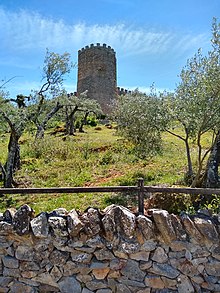 Castle of Alanís

Religious architecture
- Chapel of Saint John (sixteenth centuryXIVMove. Recently restored.
- Hermitage of Our Lady of the Angustias: it was erected in memory of the victory obtained against the “moros”, 200 m from the population, in the so-called Matamoros valley. Its construction consists of three sections and entrance. The first stage was built in the centuryXVIIIThere is a tombstone with the registration of the date of 1656. In its interior the image of our Lady of the Angustias, patron of the town, whose primitive image was destroyed during the Civil War, was later replaced by the present, the work of the sculptor Castillo Lastrucci. Average gothic. Rebuilt in the centuryXVIII.
- Hermitage of Jesus Nazarene: building belonging to the former Hospital of Charity, today disappeared, has in its interior a baroque style altarpiece. In this chapel, of simple and austere beauty, and which invites the recollection and devotion of the neighbors and visitors, is where the image of Our Father Jesus Nazareth, holder of one of the most popular penitentiary fellowships in the town is venerated. The centuryXVI.
 Major altarpiece of the church of Our Lady of the Snows
 - Church of Our Lady of the Snows: traditional construction of three ships, dating from 1356. It is worth highlighting its valuable Baroque altarpiece, which adorns the entire front of the main altar, and dates from the centuryXVI. Inside there is a chapel of the centuryXVIdecorated with Mudejar tiles. In the middle of the centuryXVIIIbecause of the 1755 Lisbon earthquake, he suffered significant damage. Important Gothic altarpiece.
- Hermitage of San Miguel de la Breña: located a few kilometers from the town, on the road leading to Malcocinado, and on a private property estate, is the last vestige that is preserved from the old Basillic Monastery that in its day existed. The hermitage, which has remained as a warehouse of the current cortijo, consists of a single nave divided into two sections, one of barrel vaults and the other of dome.

Popular architecture
- Fuente de Santa María: sita in the urban center, built in times of Carlos V. It has been the great water supplyer for centuries, and dearly loved by the locals of all time. It is located on Angustia Street, in a small ensanche that in times was named Santa Maria Square. Along with a spring of water, which has historically emerged the nearest population, a front wall was erected in honor of the Virgin of the Angustias, a panel of Sevillian ceramics with the image, dated in 1767.
- Source of Pilitas: on the road leading to the fieldsanto, on its left margin, is the Fountain of the Pilitas, of great local ethnographic value and source of inspiration of the legend-myth of the “Encanto de las Pilitas”. It is an ancient Arab source in brick, accompanied by its corresponding pool of the same origin and style, which still today still fulfills its primary function of irrigation of the nearby orchards and abbreviation of cattle.
- Cruces de Mayo: Historically, the Cruces de Mayo represent a link between the locals and their neighborhood of origin, manifesting these feelings with the celebration of these feasts, when each neighborhood is grouped around their chariots of procession, producing a strong rivalry between them. Today these popular manifestations have completely disappeared, but their symbolic monuments remain in forged iron and carved stone, in the Triana neighborhood, and in the streets New and Corridor.
Economy
- Evolution of municipal living debt
| Graphic of evolution of living debt of the City of Alanis between 2008 and 2019 |
 |
Living debt of the City of Alanís in thousands of Euros according to data from the Ministry of Finance and Ad. Public. |
Celebrations
Stunning carnivals are celebrated with a lot of participation from the population. The pilgrimage in honor of María Auxiliadora is usually held on the last Sunday of May. The main festivals of the town are the second or third week of August. And for four years, medieval days have been held on the first weekend of September.
Twinnings
- Rocca di Papa (Italy)